


Installation Vlieland


.

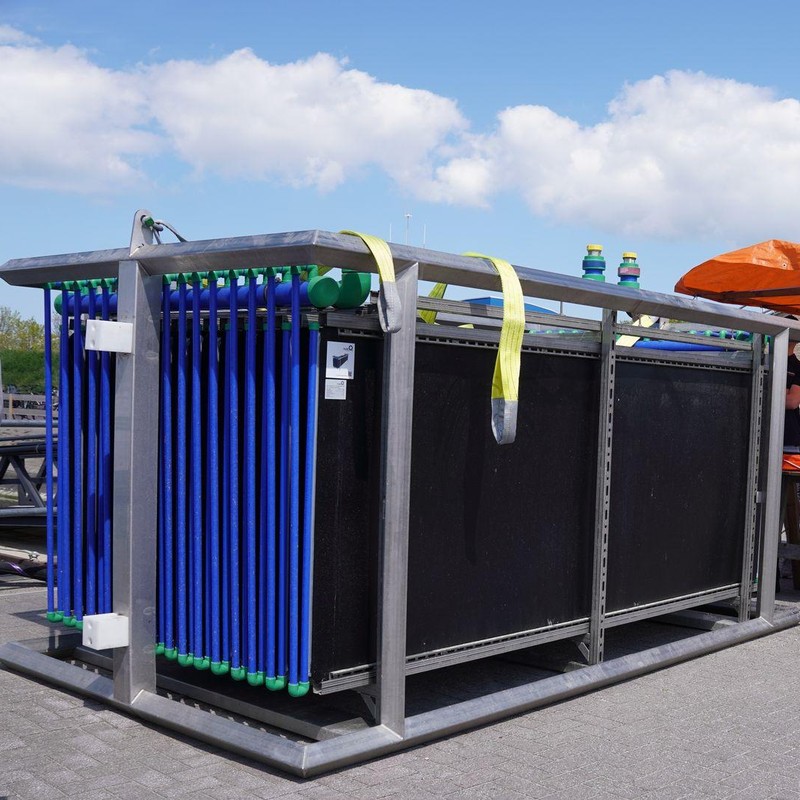
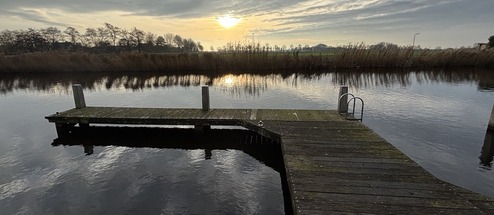
At the marina of Vlieland, the Wadden Sea has become a heat source. Three heat exchangers in the harbour water, combined with solar energy, supply heat to the harbour building, the restaurant and a nearby home. In peak season, the system provides hot showers for around 500 visitors a day. As knowledge partner in the AquaCOM Interreg NWE project, EXTRAQT designed theaquathermal system for this project.
.
At the marina of Vlieland, the Wadden Sea has become a heat source. Three heat exchangers in the harbour water, combined with solar energy, supply heat to the harbour building, the restaurant and a nearby home. In peak season, the system provides hot showers for around 500 visitors a day. As knowledge partner in the AquaCOM Interreg NWE project, EXTRAQT designed theaquathermal system for this project.
Gas savings
1000 m³
Hot showers a day
500
Heat exchangers
3

A new source: salt water
Aquathermal energy from rivers, canals and lakes is gaining ground. Tidal salt water, however, is a different story. The water is corrosive, marine life can grow on the installation, and the harbour itself adds constraints: propeller wash from boats, changing water levels and a quay that must stay accessible. At the marina of Vlieland, a closed-loop aquathermal system was installed in this type of water for the first time in the Netherlands.
From idea to working system
The original plan of Stichting Aanloophaven Vlieland was a phased heating project across the whole island. The harbour eventually decided to start on its own with a first, concrete system. Together with the harbour, EXTRAQT developed the base concept: sizing the heat exchangers, linking them to heat pumps and solar panels, and defining the role of heat storage. Bekkema Installatietechniek further optimised the design together with optimisation expert Voxergy and afterwards built the installation.
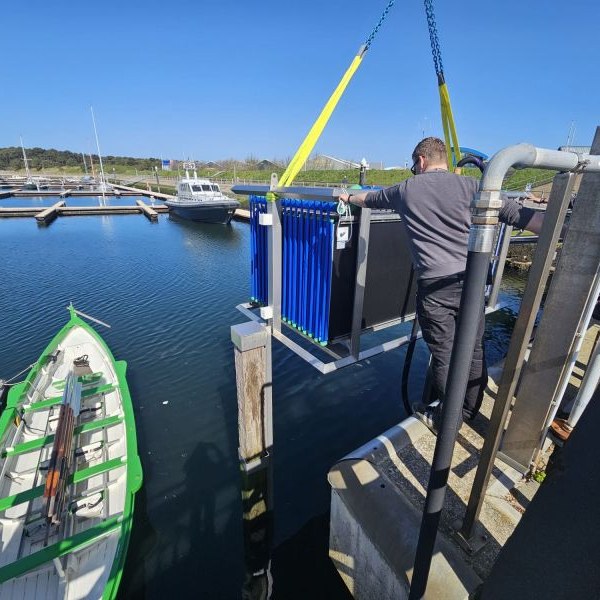
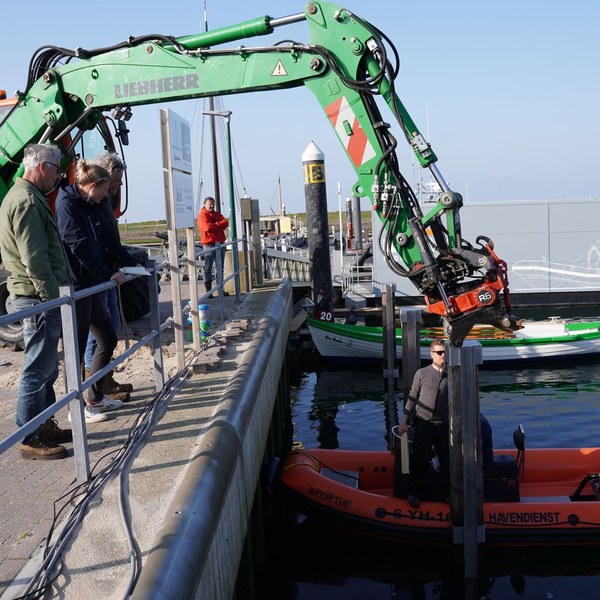
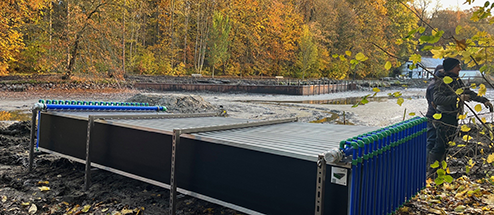
Three heat exchangers hang in a sturdy frame along the quay. The frame protects them from propeller wash and allows them to be lifted out easily for inspection and maintenance, which is essential in seawater.
Sun and sea in one system
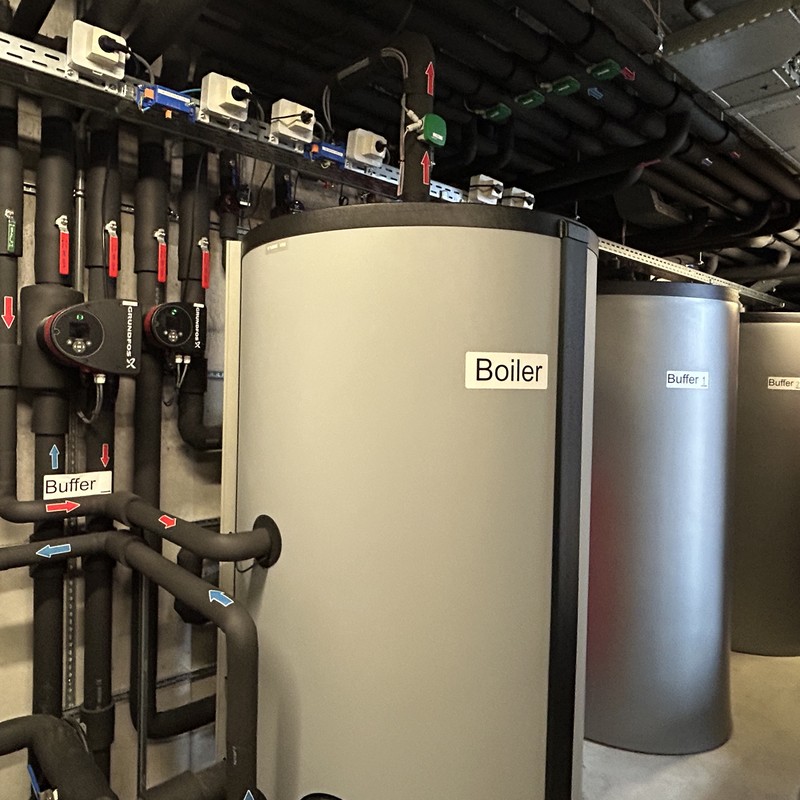
In the harbour building, three heat pumps work together with 124 solar panels and large buffer tanks. During the day, solar power is used to store heat in the buffers, so there is enough hot water at peak moments, for example when hundreds of sailors want to shower at the same time. The buffers act as a heat battery that matches supply and demand over time. The gas installation has been removed entirely: since the end of March 2026, the harbour runs on heat from sun and seawater. The official opening followed in early May 2026.
A testing ground for seawater aquathermal energy
The project is already delivering results: the harbour saves around 1,000 m³ of gas per month on average, and up to 2,000 m³ in peak season. Just as valuable is what the system teaches us. How do the materials behave in salt water over the long term? How much fouling occurs, and how often is maintenance needed? The monitoring on Vlieland provides answers that will help other projects along the coast and in harbours. The pipe network has also been prepared for expansion, so the municipal works yard and surrounding homes can connect later.
European support through AquaCOM
This project was funded within AquaCOM, an Interreg North-West Europe project that supports energy communities in rolling out aquathermal energy. Within AquaCOM, Vlieland is one of the pilot sites, with the harbour as project lead, the province of Fryslân as regional partner and EXTRAQT as technical partner.


:

Installation Vlieland
.
.




Interested in an aquathermal installation? Read more on our approach on why an aquathermal system migh be interesting for your water body!


