


Group purchase of individual aquathermal systems Terherne


.

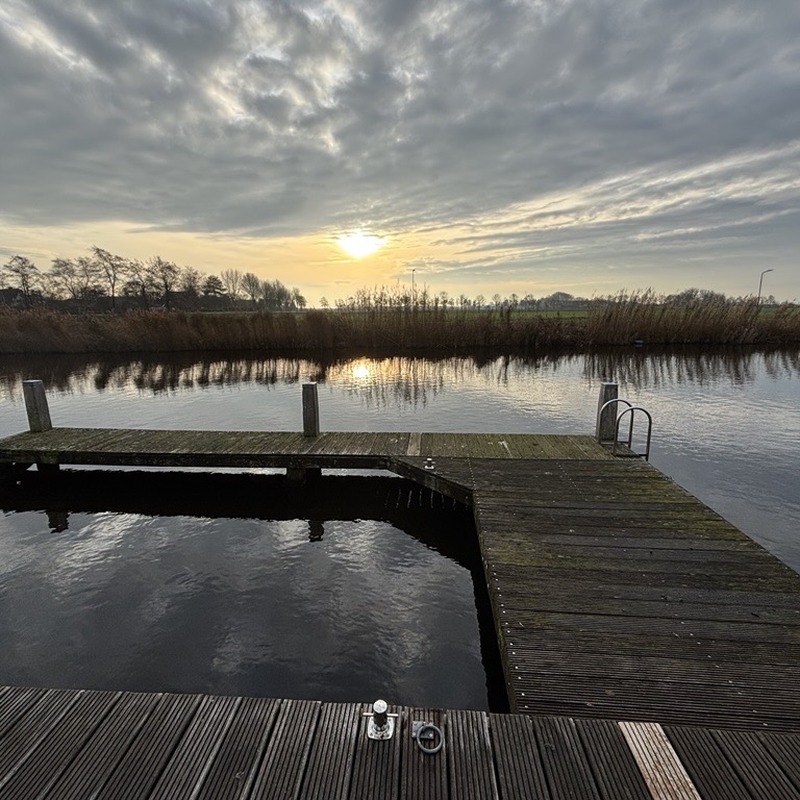
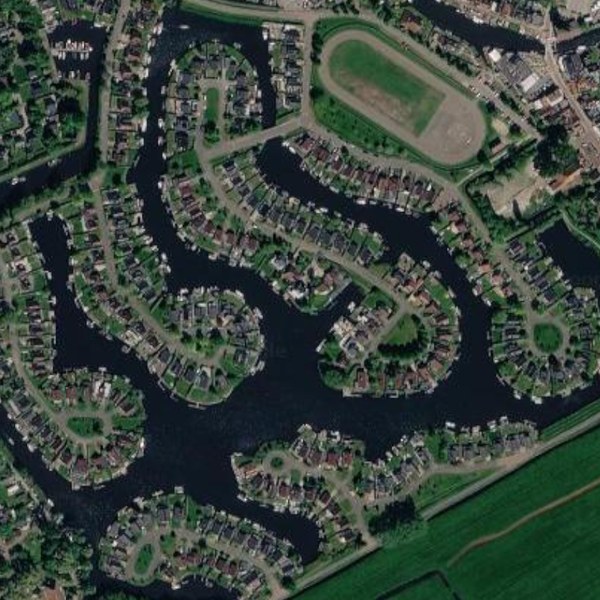
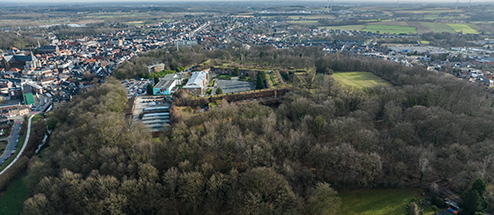
In Terherne, around 70% of homes are located directly on the water. Together with energy cooperative De Poask, EXTRAQT is coordinating a group purchase in which private homes each get their own aquathermal system: a heat exchanger in the water at their own quay and a water-to-water heat pump inside. There is no heat network, but there is a collective approach. In the week of 9 November 2026, all participating homes will be connected. The project is a pilot for individual aquathermal energy in Fryslân.
.
In Terherne, around 70% of homes are located directly on the water. Together with energy cooperative De Poask, EXTRAQT is coordinating a group purchase in which private homes each get their own aquathermal system: a heat exchanger in the water at their own quay and a water-to-water heat pump inside. There is no heat network, but there is a collective approach. In the week of 9 November 2026, all participating homes will be connected. The project is a pilot for individual aquathermal energy in Fryslân.
Homes in the pilot phase
4
Installation time, all homes
1 week
Total capacity
50 kW

A different route than a heat network
For a village like Terherne, a heat network seems the obvious choice on paper. However, it requires expensive, complex infrastructure and enough participants before a single home can come off gas. The cooperative chose a different route: if most homes are already on the water, each home has its own source and buffer right outside the door. The individual systems are purchased collectively, standardised and installed by local companies. This way the transition can start home by home, without everyone having to join at the same time.
From residents’ evening to a tailored quote
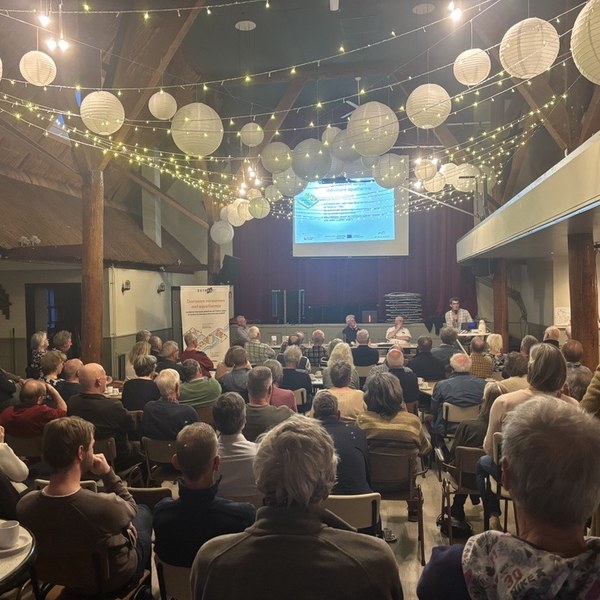
EXTRAQT mapped the local ecosystem, screened installers and contractors, and challenged their prices. For a number of typical homes, we prepared model quotes and a full TCO analysis comparing aquathermal energy over 20 years with a gas boiler and an air-to-water heat pump. At the residents’ evening on 9 April 2026, the cooperative and EXTRAQT presented the offer and the conditions for taking part. In early June, ten site visits followed, with the installer, groundworker, hydraulic engineering contractor and home automation partner visiting together. This gave every resident a complete picture in a single visit, followed by a quote tailored to their own home.
Every home is slightly different
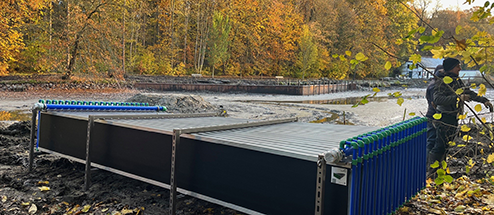
No two homes are the same, and that is what makes this pilot valuable. Two homes get a standard 7 kW system with a heat exchanger in the water at their own quay. At a home being converted into three residential units, we are installing one collective 21 kW source now; the three heat pumps will follow once the renovation is finished. A demonstration home of the cooperative is testing a new type of heat exchanger in a trial set-up, with sensors that monitor the thermal behaviour of the source and the water. Water depth at the quays ranges from 1.4 to more than 2.5 metres.
Compact, invisible and smartly controlled
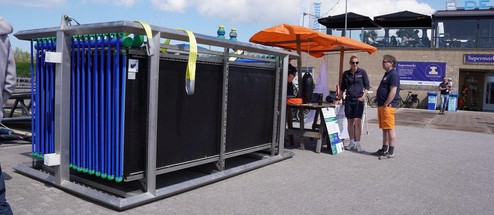
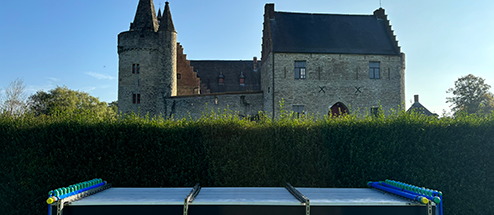
The heat exchangers rest on the water bed, under the home’s own jetty or against the quay wall, and are invisible once installed. A short source pipe through the garden connects the exchanger to a water-to-water heat pump. It uses the natural refrigerant R290 (propane) and is suitable for both radiators and underfloor heating.
At the cooperative’s request, every installation is smart-grid ready. The heat pump can be controlled remotely and can respond to solar power or dynamic tariffs. Each home gets tailored smart controls through local partner Frysware. This lowers the energy bill and helps avoid grid congestion.
One week, all homes
In the week of 9 November 2026, all participating homes will be connected. Excavation, pipework and source installation come first, followed later in the week by the heat pumps. Each home takes 2 to 3 working days, with only one day without heating. Installation partner Eco-Technix installs the source and heat pump. Local installer René Kok handles handover, commissioning and smart controls, and remains the point of contact for maintenance and service.
Learning costs as an investment in scaling up
Provinsje Fryslân and the municipality of De Fryske Marren jointly contribute €2,350 per home. This contribution is deliberately not a traditional subsidy, but an investment in learning for local businesses: installers and contractors build experience so that costs fall in later phases. The condition is that experiences are shared and documented. On top of this contribution and the ISDE subsidy of €4,425, participants receive a 6% group discount.
The cooperative is already receiving sign-ups for a next phase, and interest is growing beyond Terherne too.


Group purchase of individual aquathermal systems Terherne
Why would we build an expensive and complex infrastructure like a heat network, when a large share of the homes are on the water and therefore already have a heat network and buffer in their back garden?
.
.




Interested in an aquathermal installation? Read more on our approach on why an aquathermal system migh be interesting for your water body!


